
Across children’s homes, supported accommodation, and leaving care services, professionals are increasingly expected to balance compliance, safeguarding, relationship-based practice, and outcomes-focused support. Two areas continue to create significant challenges for providers and practitioners alike: responding effectively when young people go missing, and developing pathway plans that genuinely prepare young people for adulthood.
This June, Social Care Skills is launching two brand-new live online courses designed to address these key areas of practice. Both sessions have been developed specifically for professionals working directly with children and young people in care and supported accommodation settings, combining regulatory expectations with practical, real-world approaches.
The launch of these courses reflects wider sector priorities around safeguarding, transition planning, and improving outcomes for care-experienced young people. Guidance around pathway planning continues to emphasise the importance of meaningful preparation for adulthood and ensuring young people understand the support available to them.
Missing from Care: Prevention, Response & Safe Return
Children and young people going missing from care remains one of the most significant safeguarding concerns across the sector. Providers are expected not only to respond appropriately when incidents occur, but also to develop proactive strategies that reduce risk, strengthen relationships, and promote safety.
This new course explores the full cycle of missing from care practice, from prevention and risk reduction through to effective response and safe return conversations. The session includes practical guidance around push and pull factors, contextual safeguarding concerns, disruption and relationship-based intervention, recording expectations, and multi-agency working.
Importantly, the training also explores the use of the Philomena Protocol and how services can use it effectively to improve information sharing and support police responses during missing episodes.
Rather than focusing solely on procedures, the session aims to help professionals understand the meaning behind missing behaviour and how relational practice can strengthen safety planning and reduce repeat incidents.
The course is particularly relevant for:
- Residential childcare staff
- Supported accommodation teams
- Safeguarding leads
- Managers and deputy managers
- Key workers and personal advisors
Effective Pathway Planning
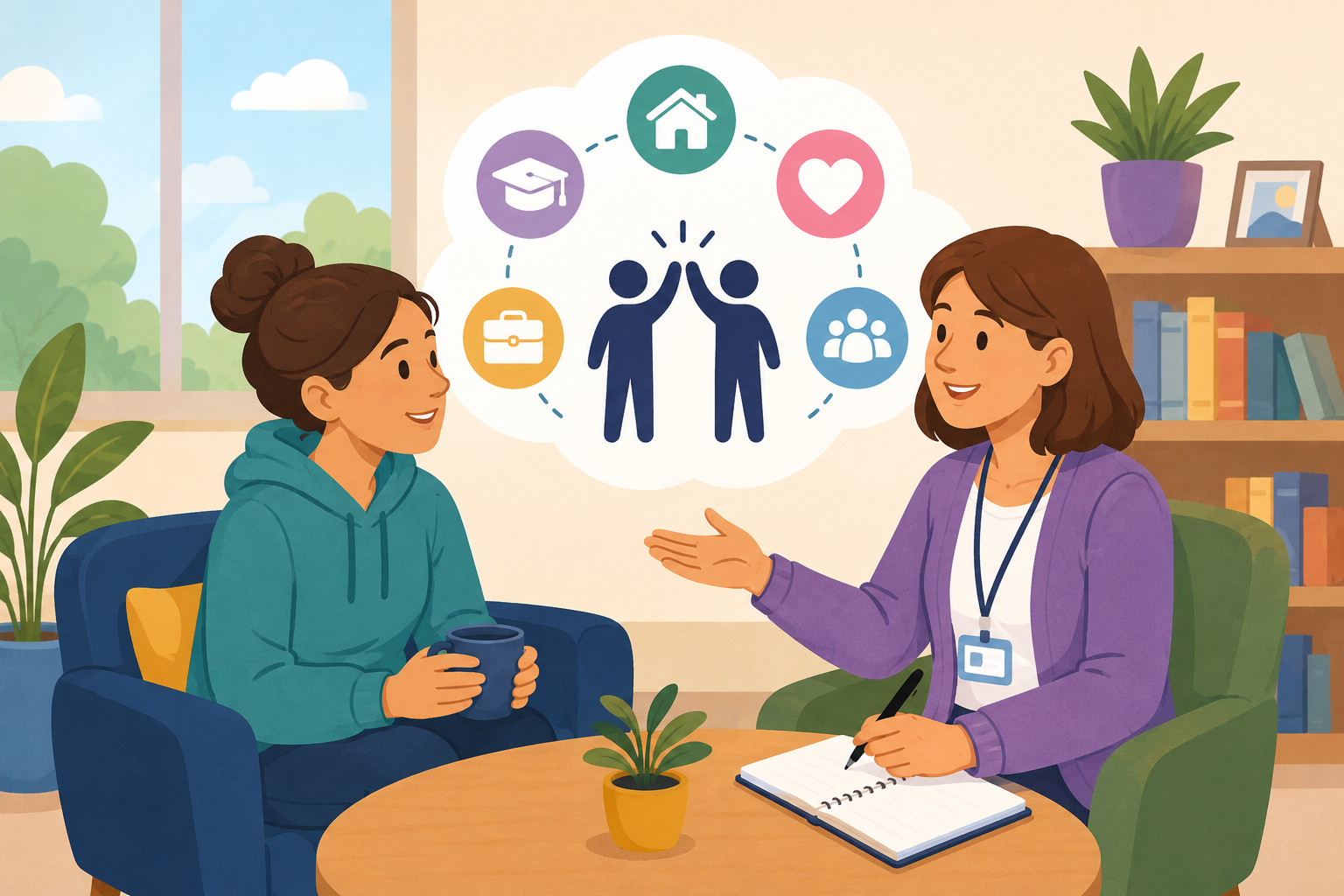
Pathway Plans should be more than a document completed to satisfy statutory requirements. At their best, they provide a meaningful roadmap for a young person’s transition into adulthood, helping them build independence, stability, and confidence for the future.
This new session focuses on how professionals can move beyond compliance-led pathway planning and develop plans that are genuinely personalised, outcome-focused, and useful for young people.
The course explores:
- The legal and statutory framework around pathway planning
- The role of Personal Advisors and wider professionals
- How to involve young people meaningfully in the planning process
- Developing realistic goals and measurable outcomes
- Addressing accommodation, education, employment, health, identity, relationships, and emotional wellbeing
- Writing pathway plans that are clear, practical, and evidence meaningful progress
National guidance highlights that pathway plans should identify needs, actions, and resources required to support young people into adulthood. This training is designed to help practitioners translate those expectations into practical, young-person-centred work.
The session is particularly valuable for:
- Personal Advisors
- Leaving Care teams
- Supported accommodation practitioners
- Residential childcare staff
- Social workers
- Managers overseeing transition planning
Why These Courses Matter
Both courses reflect a wider shift across children’s social care towards more relational, trauma-informed, and outcome-focused practice. Providers are increasingly expected to demonstrate not only that policies and procedures exist, but that support is meaningful, reflective, and responsive to the lived experiences of young people.
At Social Care Skills, the focus of training is always on helping professionals connect regulations, safeguarding expectations, and inspection frameworks with practical day-to-day practice.
These are not generic safeguarding sessions. They are designed specifically for professionals working within the realities of residential childcare and supported accommodation settings.
Both courses will be delivered live online via Microsoft Teams during June 2026. Early registration rates and group discounts are available.
Leave a Reply