
Category: Resources
-

New Information Sharing Duty: What Changes from 30 September 2026?
Effective safeguarding depends on the right information reaching the right people at the right time. With a new statutory Information Sharing Duty coming into force on 30 September, we look at what this means for everyday safeguarding practice and the questions children’s social care providers should be asking now.
-

Summer Without School: Supporting Children and Young People in Care Through the Holidays
When school stops for six weeks, much of that structure disappears. At the same time, summer can bring changes within the home or service itself. Staff take annual leave. Rotas change. Familiar workers may be away. Activities and holidays are planned. Family contact arrangements may change. And young people are…
-
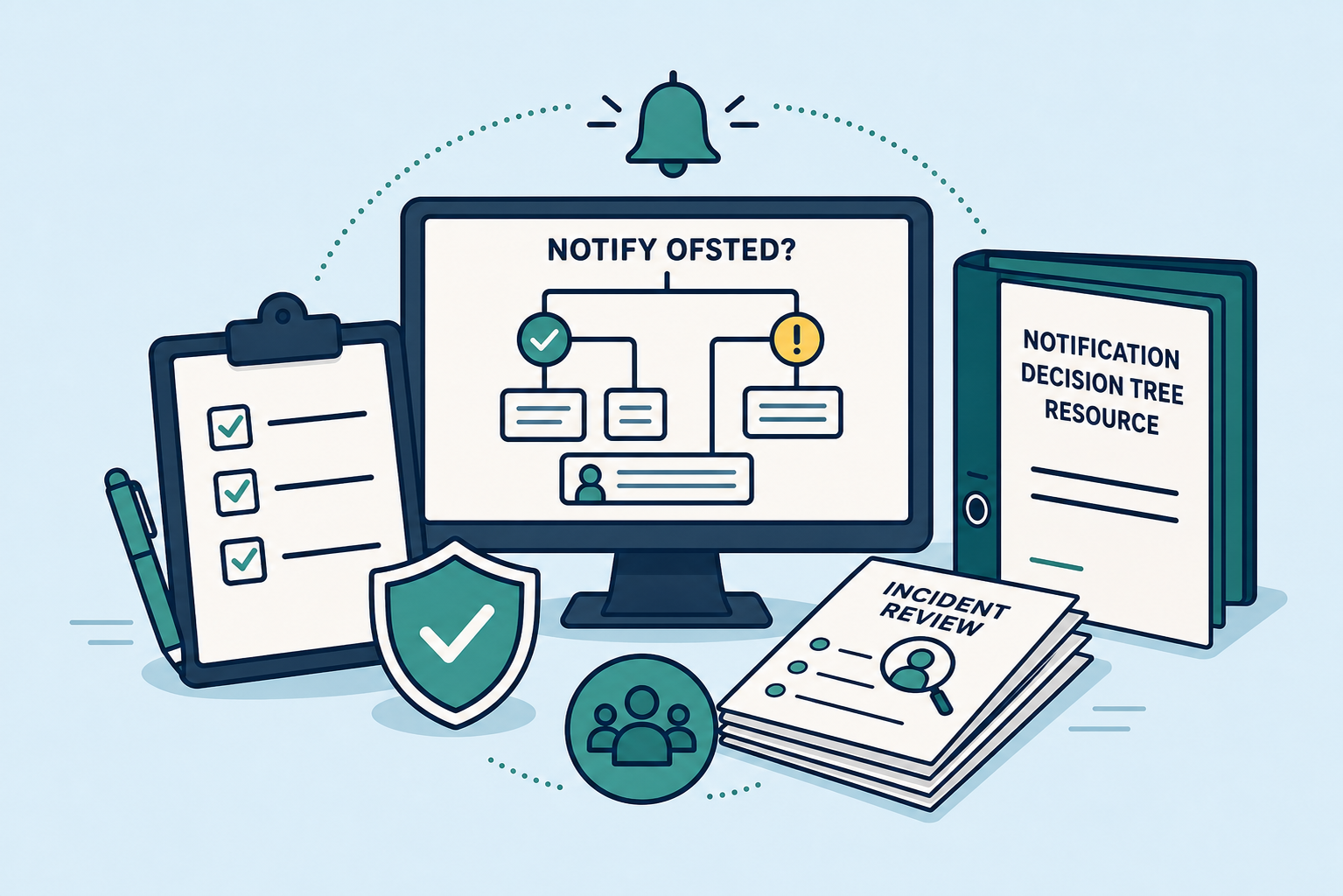
Should This Incident Be Notified to Ofsted? Why the Answer Is Not Always Straightforward
Serious incident notifications are an important part of regulatory oversight across children’s social care. However, deciding whether an incident should be notified to Ofsted is not always as straightforward as identifying that “something serious happened”. During training, consultancy and compliance work, we regularly see uncertainty around notification decisions. Does police…
-

Ofsted’s New Equality Objectives: What They Could Mean for Children’s Social Care Providers
Ofsted has published its new equality objectives for 2026 to 2030, replacing its previous objectives for 2023 to 2027. This is not simply an equality, diversity and inclusion update. The objectives provide an indication of how Ofsted intends to develop its approach to inspection and regulation over the next four…
-

Surveillance and Monitoring in Residential Childcare Settings: Ofsted Guidance
The use of CCTV, audio monitoring and other forms of surveillance in residential childcare settings requires careful consideration. Providers must balance their responsibility to safeguard children with the need to respect children’s privacy, dignity and individual rights. Ofsted has published specific guidance explaining how inspectors will evaluate the use of…
-

Heatwave Alert: Preparing Social Care Services for Extreme Temperatures
Whether working in children’s homes, supported accommodation, fostering services, domiciliary care, supported living, residential care, or community-based support services, preparation remains one of the most effective tools available. By taking practical and proportionate steps now, providers can help protect the health, wellbeing, and safety of the people they support while…
-

What the “Children’s Social Care Reset” Means for Providers: Key Implications for Providers
Although much of the implementation plan is aimed at local authorities and wider partnership systems, the implications for providers across children’s homes, supported accommodation, and fostering are considerable. In many ways, the document gives providers an early indication of where regulation, commissioning, inspection, and sector expectations are likely to evolve…
-
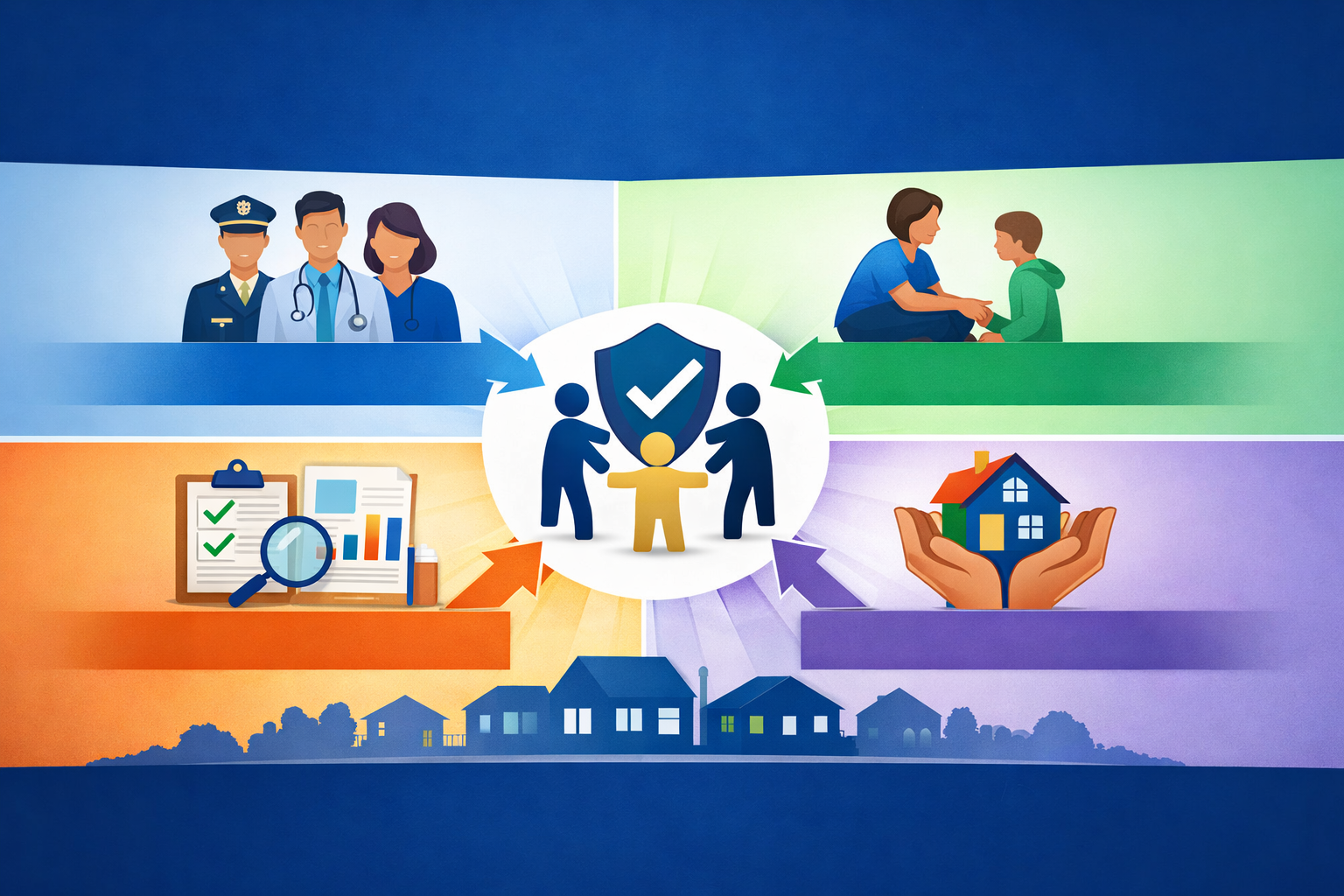
Ofsted’s Latest Safeguarding Guidance: From Compliance to True Multi-Agency Practice
The Department for Education and Ofsted have recently published new guidance on supporting local areas to embed “Working Together to Safeguard Children” and the Children’s Social Care National Framework. While this may appear targeted at local authorities, its implications go far beyond that. This is a clear signal of a…
-
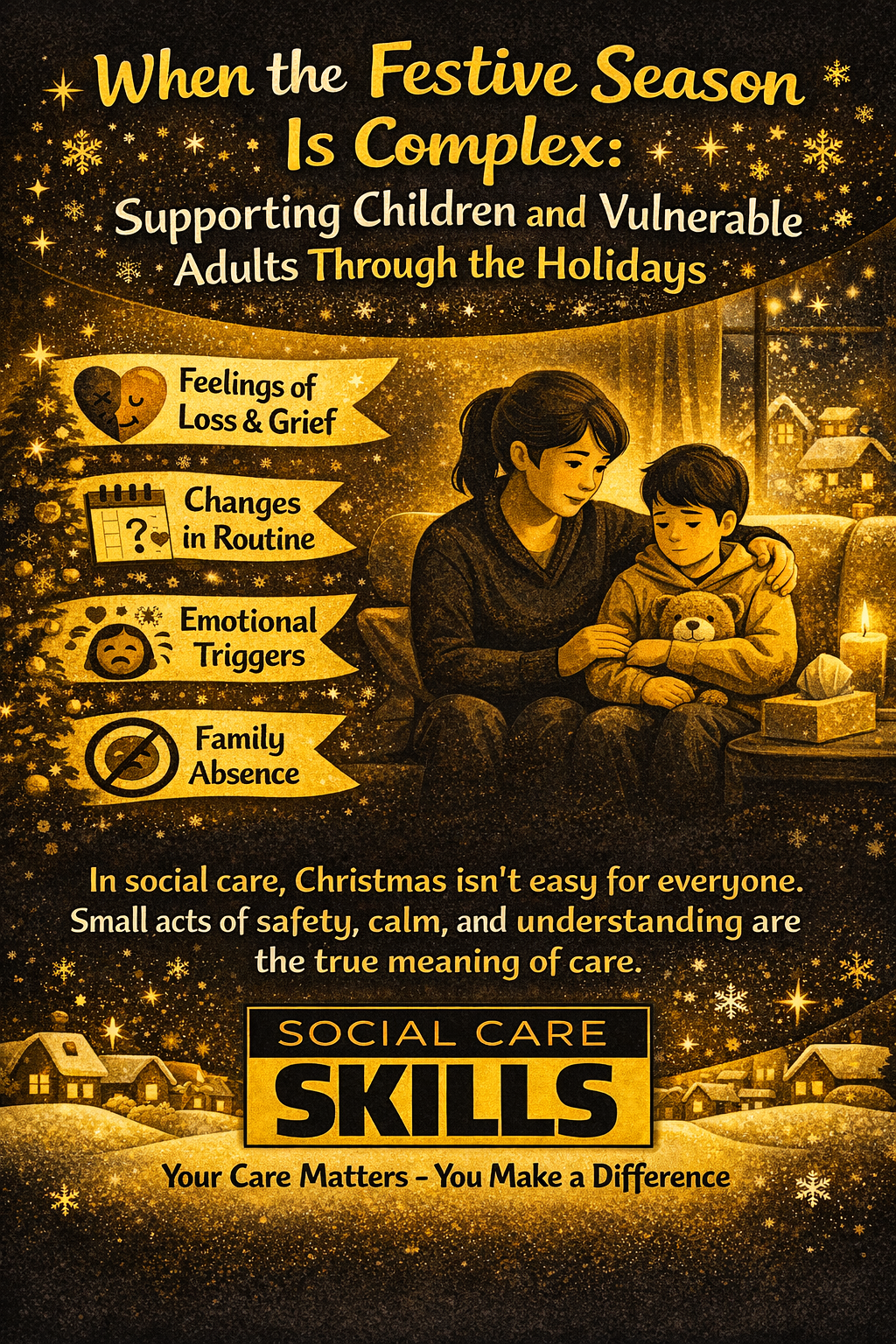
Supporting Children and Vulnerable Adults Through the Holidays
For many people, the festive season is associated with celebration, connection, and joy. In social care, we know the reality is often far more complex. For children and vulnerable adults, Christmas and other holidays can amplify feelings of loss, uncertainty, grief, and exclusion rather than comfort and happiness.
-

Reimagining Children’s Residential: From Crisis Management to Strategic System Design
The paradox of the current system is that it is both expanding and failing. More homes exist on paper, yet too many children still end up in unsuitable or unregulated placements because specialist provision is scarce, underfunded and slow to develop. A system that relies on crisis intervention is a…