
The Department for Education and Ofsted have published today new guidance on supporting local areas to embed “Working Together to Safeguard Children” and the Children’s Social Care National Framework. While this may appear targeted at local authorities, its implications go far beyond that. This is a clear signal of a system-wide shift that directly affects providers across children’s homes, supported accommodation, and wider services.
A Shift Towards a Truly Integrated Safeguarding System
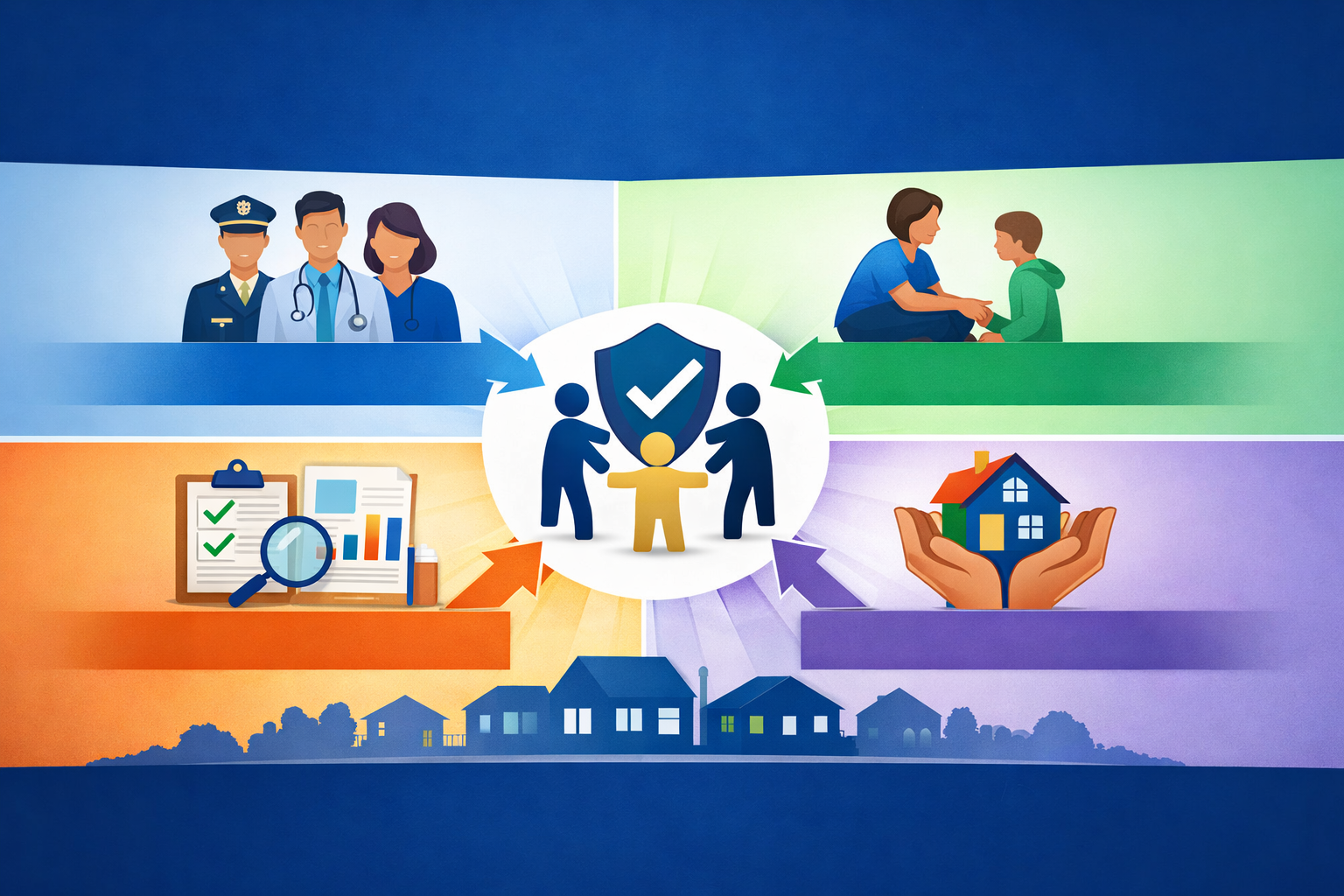
The central message of the guidance is clear: safeguarding is not the responsibility of one agency, but of a connected system. The expectation is no longer that services operate alongside each other, but that they function as part of a coordinated and responsive network around the child.
For providers, this reinforces an important reality. Your role is not peripheral to safeguarding arrangements. You are part of them. This brings increased expectations around information sharing, professional curiosity, and meaningful engagement in multi-agency processes. It also requires confidence in understanding how your service contributes to wider safeguarding decisions.
Embedding Practice, not just Implementing Frameworks
One of the most important themes within the guidance is the emphasis on embedding practice. This goes beyond introducing policies or aligning documents with national expectations. It is about ensuring that practice is lived, consistent, and visible in day-to-day interactions.
This represents a clear move away from policy-led compliance. Providers will need to demonstrate how safeguarding actually works in practice, how decisions are made, and how these decisions improve outcomes for children and young people. The focus is shifting from what is written to what is experienced.
Stronger Accountability Across the System
The guidance also strengthens expectations around accountability. Safeguarding partners are required to be clearer in their roles, more effective in their governance, and more transparent in how decisions are made.
For providers, this means stepping more confidently into multi-agency spaces. It includes being able to challenge when responses from other agencies are not sufficient, escalating concerns when necessary, and ensuring that your voice is part of safeguarding decision-making. The days of working in isolation or deferring responsibility are clearly moving behind us.
A Continued Focus on Early Help and Prevention
Another key direction is the emphasis on early intervention. The system is being shaped to respond to children’s needs earlier, before risks escalate into crisis.
For residential and supported accommodation providers, this reinforces the importance of relational practice. Key work is not just about engagement; it is a core safeguarding function. The quality of relationships, the ability to notice change, and the responsiveness of support all play a crucial role in preventing harm and promoting stability.
What This Means for Ofsted and Inspections
Although this guidance is aimed at local areas, it will inevitably influence inspection expectations. Ofsted is increasingly focused on how well services contribute to the wider safeguarding system, not just how they operate internally.
This means inspections are likely to place greater emphasis on collaboration, the effectiveness of safeguarding responses, and the lived experiences of children. Providers will need to demonstrate not only that they follow procedures, but that they actively shape positive outcomes through their work with others.
Final Reflection
This is more than a procedural update. It reflects a continued shift in the sector towards a more relational, accountable, and integrated approach to safeguarding.
For providers, the message is clear. The expectation is not just to meet standards, but to actively contribute to a system that works for children. Those who embrace this shift will not only be better prepared for inspection, but will also be better positioned to deliver meaningful and lasting impact.
For those who would like to explore the full guidance in more detail, you can access it here: https://www.gov.uk/government/publications/improving-practice-with-children-young-people-and-families/supporting-local-areas-to-embed-working-together-to-safeguard-children-and-the-national-framework–2, alongside the latest Working Together to Safeguard Children statutory guidance available here: https://www.gov.uk/government/publications/working-together-to-safeguard-children–2
Leave a Reply